


If you've ever flipped a tube of kids' toothpaste around to read the ingredient list, you know the feeling: a wall of unpronounceable names with no real way to tell what's worth worrying about and what isn't.
The good news is you don't need a chemistry degree to shop smarter, just a short list of ingredients worth double-checking, and why.
Why the Ingredient List Matters More for Kids
Children brush (and swallow) toothpaste far more often than adults realize, especially before they've mastered spitting it all out. Because kids are smaller, anything they do ingest is more concentrated relative to their body weight. That doesn't mean every ingredient is a red flag, but it does mean a bit of extra scrutiny is reasonable, particularly for products marketed specifically at children.
Ingredients Worth a Closer Look
- Sodium lauryl sulfate (SLS). This foaming agent is common in adult and kids' toothpaste alike, but it's been associated with a higher frequency of mouth ulcers and canker sores in some studies, and it can be irritating for sensitive young mouths.
- Artificial sweeteners (saccharin, aspartame). These are added to make kids' toothpaste palatable, but they're worth knowing about, especially if your family is already limiting them elsewhere in your child's diet.
- Artificial dyes. Bright colours make toothpaste more appealing to kids, but children's oral care products are often among the most heavily dyed personal care items on the shelf. If you're already cautious about synthetic dyes in food, it's reasonable to apply the same thinking here.
- Triclosan. Once common as an antibacterial agent, triclosan has been phased out of many formulations in recent years amid concerns about hormone disruption, though it can still turn up in some products. Worth a quick label check.
- Microbeads (polyethylene). These tiny plastic particles were added to some toothpastes for a "scrubbing" sensation. Most major brands have voluntarily phased them out in Australia, but the phase-out isn't mandatory, so it's still worth confirming a product is microbead-free.
- Titanium dioxide. Used as a whitening or opacifying agent, it's come under scrutiny in nanoparticle form. It's a lower-priority concern for swallowed use versus inhaled, but it's on most "ingredients to watch" lists for a reason.
None of this means a toothpaste containing one of these is unsafe. It means these are the ingredients worth a second look if you're trying to simplify what's going into your family's routine.
What to Look for Instead
- Nano-hydroxyapatite as the active ingredient, at an effective, disclosed concentration, look for products that state exactly how much is in there
- A short, recognisable ingredient list, fewer fillers generally means fewer things to second-guess
- No added artificial dyes or SLS, particularly for younger kids who swallow more
- Clear labelling, brands that disclose concentrations and sourcing tend to be more transparent overall
The Bottom Line
You don't need to overhaul your family's routine overnight or panic over a label. Start by checking for the ingredients above, prioritise a proven active ingredient over flashy marketing, and remember that consistency in brushing matters more than any single formulation choice.
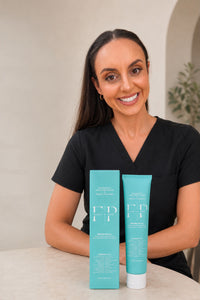
Oral Health Therapist (Bachelor of Oral Health Therapy, University of Newcastle, 2017), 9 years of clinical experience. Founder of Flossy & Pure.
References
Chen L, Al-Bayatee S, Sultan Z, et al. Hydroxyapatite in oral care products — a review. Materials. 2021;14:4865.
Meyer F, Enax J, Amaechi BT, et al. Hydroxyapatite as remineralization agent for children's dental care. Frontiers in Dental Medicine. 2022;3.
Flossy & Pure's toothpaste is formulated without SLS, artificial dyes, or microbeads, made with nano-hydroxyapatite by an oral health therapist, Jessica Ortega, with families in mind. Shop our Mild Mint formula →